Self-Discipline for Westerners.
As an Iyengar Yoga teacher, I’m at odds with Western depictions of what yoga is and what it’s about. To start with, there’s a fundamental issue I want to explore and that is our skewed Western view of the purpose of humility and respect.
At RIMYI, the Iyengar Yoga Institute in Pune, we hear the phrase, “You people” used to describe “us Westerners”, when one of us has behaved like an idiot in class. It’s true – when we arrive most of us just don’t get it, and the learning curve is very steep.
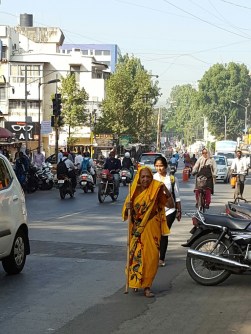 Take the crazy traffic as an example. The rule seems to be: keep moving, don’t waver and pedestrians, never step backwards – someone could easily be squeezing through the gap behind you. No one stops at roundabouts with the “After you” attitude of the Western give way system. Anyone who wavers causes problems for everyone else and I’ve seen dogs, cattle, pigs, hand carts loaded with all sorts, street sweepers (women in lovely saris with a long wispy broom) wandering up and down the roads quite safely while lorries, cars, motor bikes and scooters, often with several people on them (including children and babies), are doing things you’d get arrested for in the West. It might seem undisciplined and dangerous but if anyone causes an accident he/she will gather an angry crowd in seconds for displaying such stupidity and endangering the lives of others.
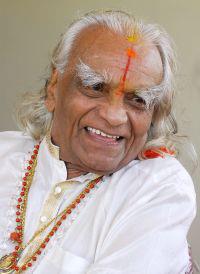
The practice hall in the Institute is a sacred place where for over 40 years Iyengar Yoga teaching has been developed, practiced and freely given. All the yoga props you see around the world today – wall ropes, bricks, belts, the trestler etc– and their therapeutic use in yoga, originated here, from hours of experimentation and refinement carried out in this room and in the small library below by BKS Iyengar, his family and his team of senior teachers. Why? Because in the beginning, Yoga is about healing, and they wanted to “help people who could not do”.
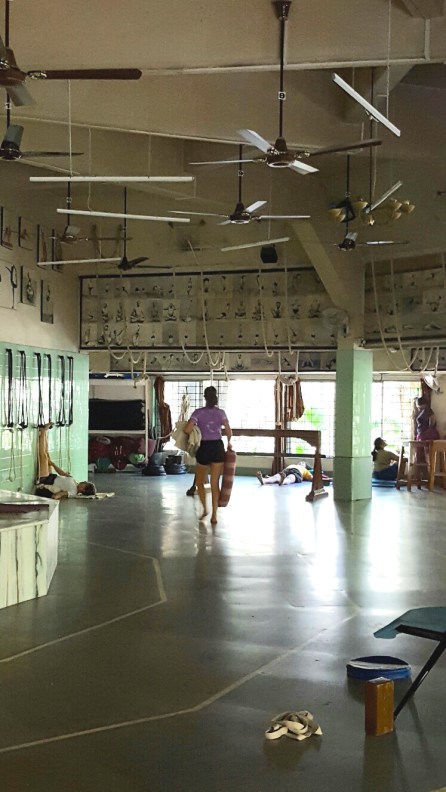
Today, the city of Pune and it’s 2.5 million inhabitants (about the size of Greater Manchester) has five or six generations of Iyengar Yoga students and teachers. The daily classes in the two practice rooms are filled to capacity. The queues for registration in May each year are legendary. The rigour and discipline in class are eye-watering to soft Westerners, poses often performed completely without props, except for a sticky mat. (The Seniors use bolsters and belts to ‘help them do’, to sit straight, or to raise their arms.) The classes are strong, quick and detailed; every instruction is delivered from ‘a very straight bat’. The locals love it, and their love and respect for the Iyengars and their teachers is clearly evident. In the world-famous Medical classes, Iyengar Yoga and props come together and are used with years of skill and experience, providing relief and respite to those who need help.
But some of the Westerners don’t seem to get it. During general classes, if you make a mistake, the length of the tirade will depend on your ability to explain what you were doing and why: in other words, your level of stupidity in not acting on instructions. In taking it upon ourselves to do something different, are we suggesting we know better? We are teachers – we go back to our countries and pass these instructions and our attitude on to others. To bear the Iyengar name, our teaching must be of the highest quality to instruct our students safely and appropriately. And as a student, we must truly know ourselves, and as we develop, we need teachers to show us our blind spots. This isn’t always comfortable, but Geetaji’s lesson to me changed my lazy chatush padasana and I am grateful for it!
 Indian culture is rich with gods and rituals. Humility, homage, respect are naturally and unselfconsciously displayed by people here. Discipline doesn’t need to be rigorously applied – the Institute isn’t festooned with notices telling us what we can and cannot do – because if you behave with humility, pay attention and show respect, there’s not a lot of need for reminders. But Western stupidity knows no bounds, apparently. Last week a group of Westerners ate a picnic in the practice hall between classes. That’s as bad as bringing your shoes into the Institute. Self-discipline and appropriate behaviour grow naturally from humility and respect. ‘It’s a cultural thing,’ someone once said. If you haven’t grown up embedded within that culture, your understanding of it will only ever be sketchy.
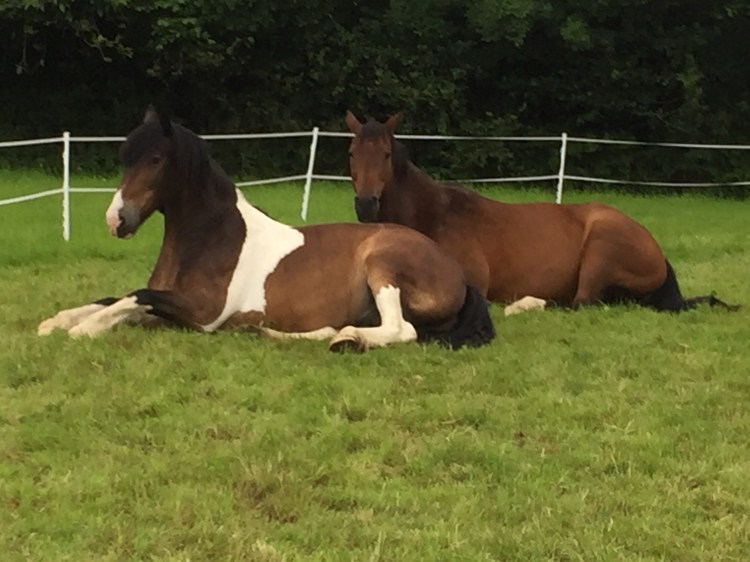
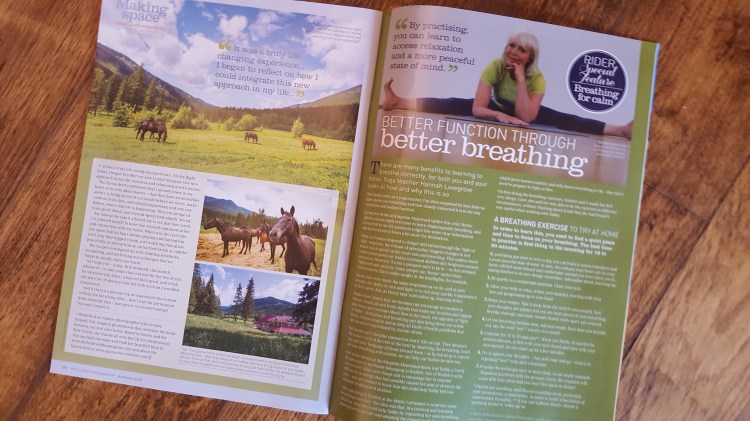 Over many years as a Yoga teacher, I’m often surprised by how little we know about our breathing and yet how closely connected it is to the way our brains and bodies function. During one of his Intelligent Horsemanship demonstrations at Kingston Maurward in June 2016, Monty Roberts explained that horses respond instantly to the breathing patterns of their handlers and encouraged everyone to learn diaphragmatic breathing. It occurred to me that not many people in that audience would have a clue what that meant so I offered to practice with Scarlett, whose lovely but nervous ex-racehorse Tabby won everybody’s hearts at the demonstration and wrote this piece for Intelligent Horsemanship (UK).



 First: BREATHE – slowly, steadily, smoothly – regulating your exhalation so that it’s even from beginning to end. Take your tongue away from your upper palate. Sit up straight. Inhale again. As you slowly exhale, silently say the word, “ONE” as you breathe out. Inhale, slowly exhale silently saying “One”, and repeat several times. Do you feel a bit better?
 2. Re-connect with your heart area. This is especially true after a shock, when it’s normal for our heart to feel shut down. (Think of those phrases associated with this feeling – I haven’t got the heart, my heart sank, etc., etc.) When you experience a sense of loss, anger, fear or despair, it’s important to re-open your heart and connect with people, even in a very small way. If you find it hard to ‘unlock’ at first, animals can sometimes help as a bridge and open up your ability to be compassionate to another person. Practice random kindness – even small acts of kindness and compassion can make a big difference. Why? Because this is one of the quickest ways to re-establish your footing and reduce the stress that could otherwise affect your health. Research has shown that care and compassion release beneficial hormones that help balance and restore your system. Much stress can be reduced by caring for and interacting more with others.
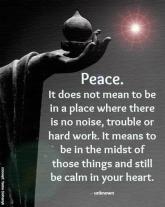 gloomy monologue, which adds drama to a situation that’s already less than ideal. This stunts our intuitive discernment, which is the very thing we need to find the most effective ways to navigate through challenges. (Adrenaline up = learning down.)You may not be able to stop all the internal drama, but you can try not to engage with it – instead, get up and do something practical (but not screen-based), even in the dead of night, rather than sit in that miserable puddle of worry. Why? Anger, anxiety and fear release excessive levels of stress hormones, like cortisol and adrenaline, throughout the body which cause a cascade of physical health symptoms, along with potential mental and emotional imbalances. As you practice reducing drama, the energy you save helps restore balance, clarity and positive initiative, even after a sleepless night. During the day, sharing our feelings from the heart with others reduces the tendency to keep amplifying and repeating the downside of situations.
 or try to make decisions. Get up and do something helpful or useful, like the ironing, read a book, practice your breathing exercises, or do some recuperative yoga. Nothing bad will happen before morning. As Scarlett O’Hara said, “I’ll think about it tomorrow. After all, tomorrow is another day.”
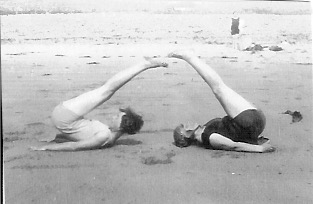
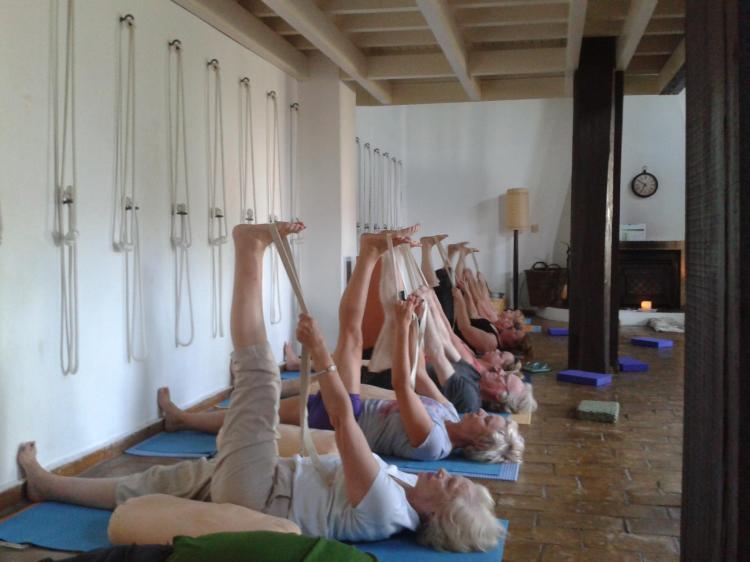 When Jean Lovegrove (the Mothership), Rachel Lovegrove (Her Yogaship), Harry (her Stroupwafel), Hayley and I are all at Saddle Street Farm for Rachel’s Yoga Weekend, perhaps we can recreate this photo taken on our last holiday at